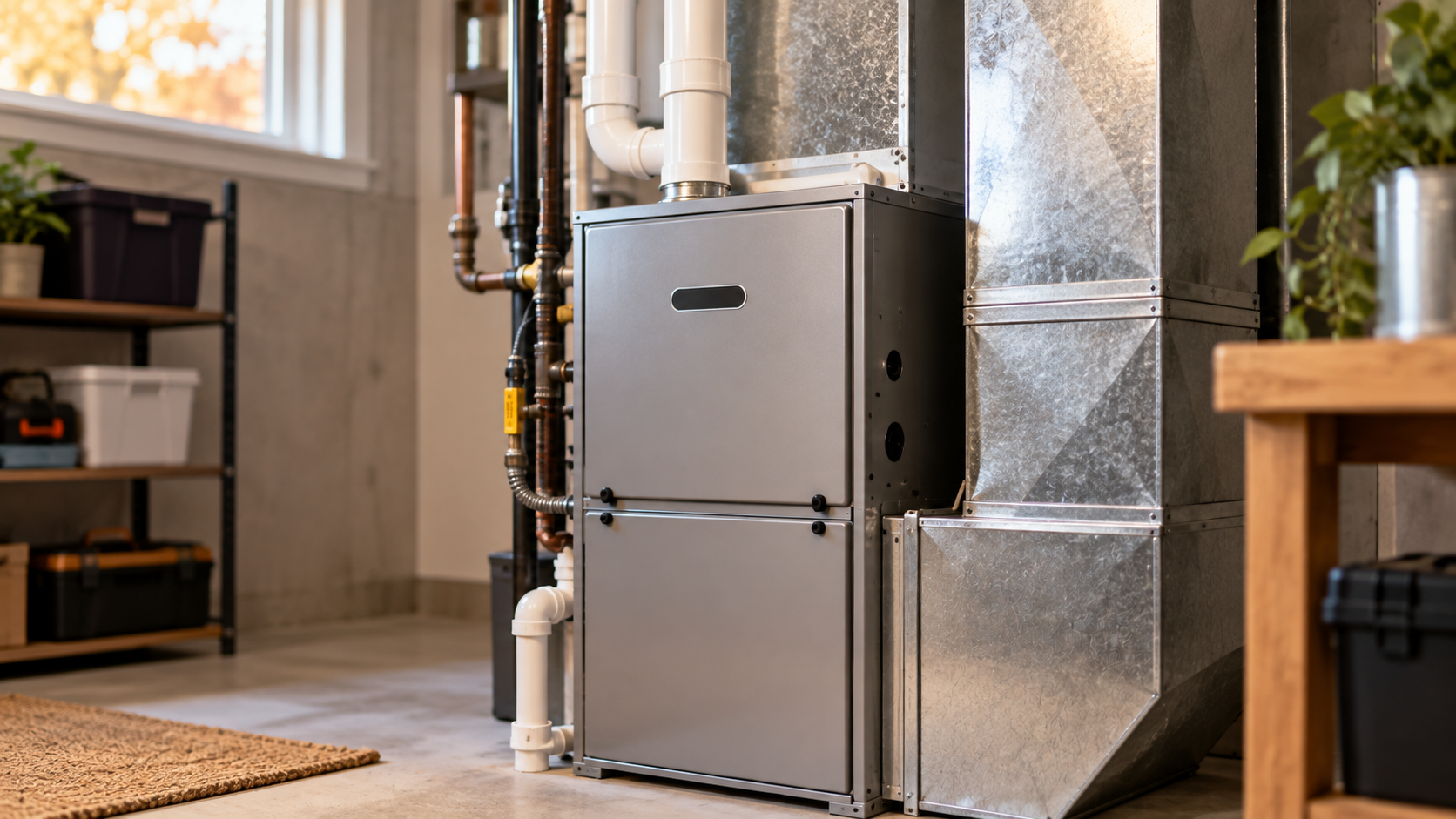
Turning on the heat for the first time this fall? Learn what to check, what warning signs to watch for, and when to schedule heating service. Call today.
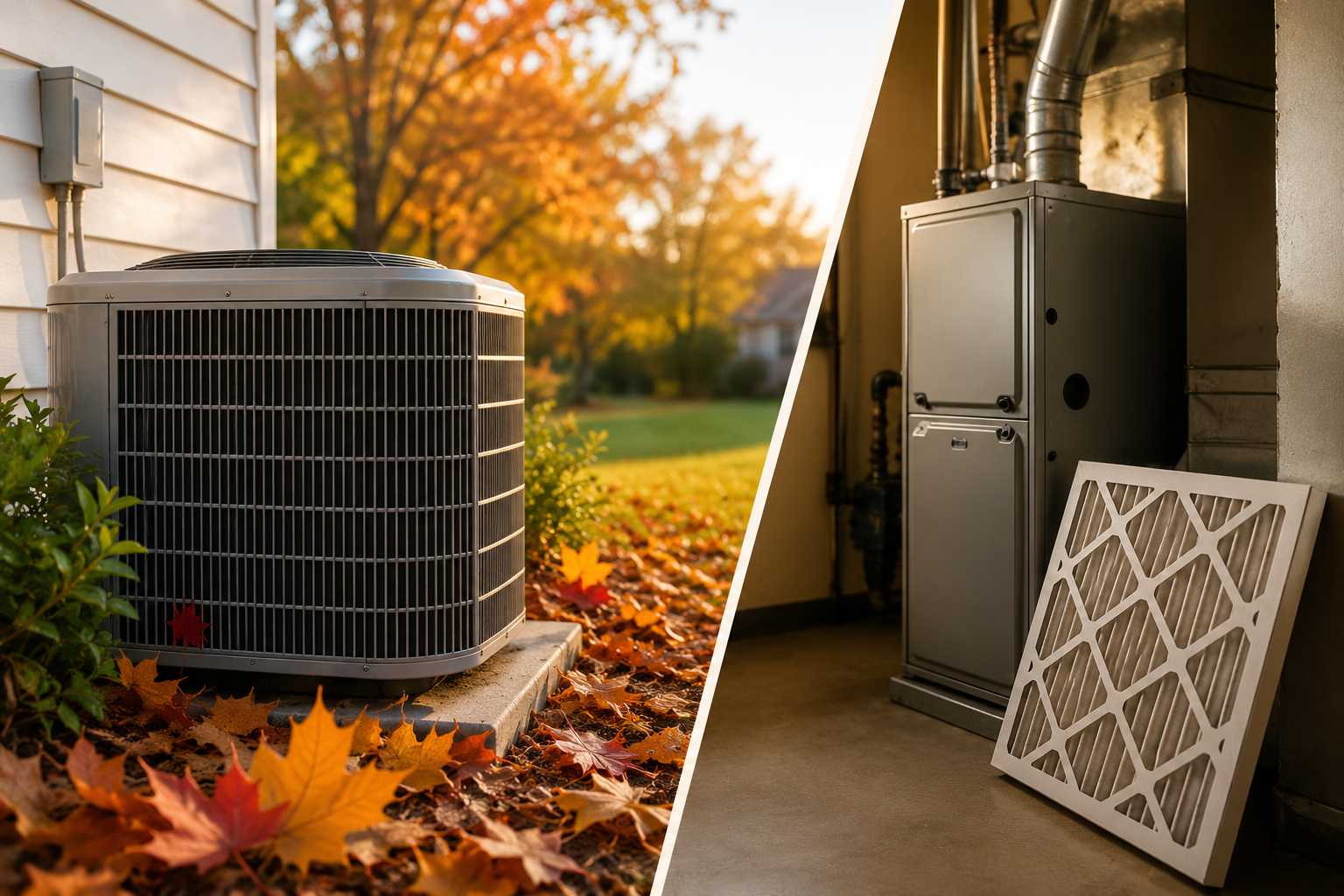
Fall arrives quickly in New Jersey. Learn how to give your AC a final summer check, prepare your heating system before colder weather hits, and avoid last‑minute HVAC problems. Uncle Mike’s Home Service helps homeowners in Monmouth and Ocean County get ready for the season.
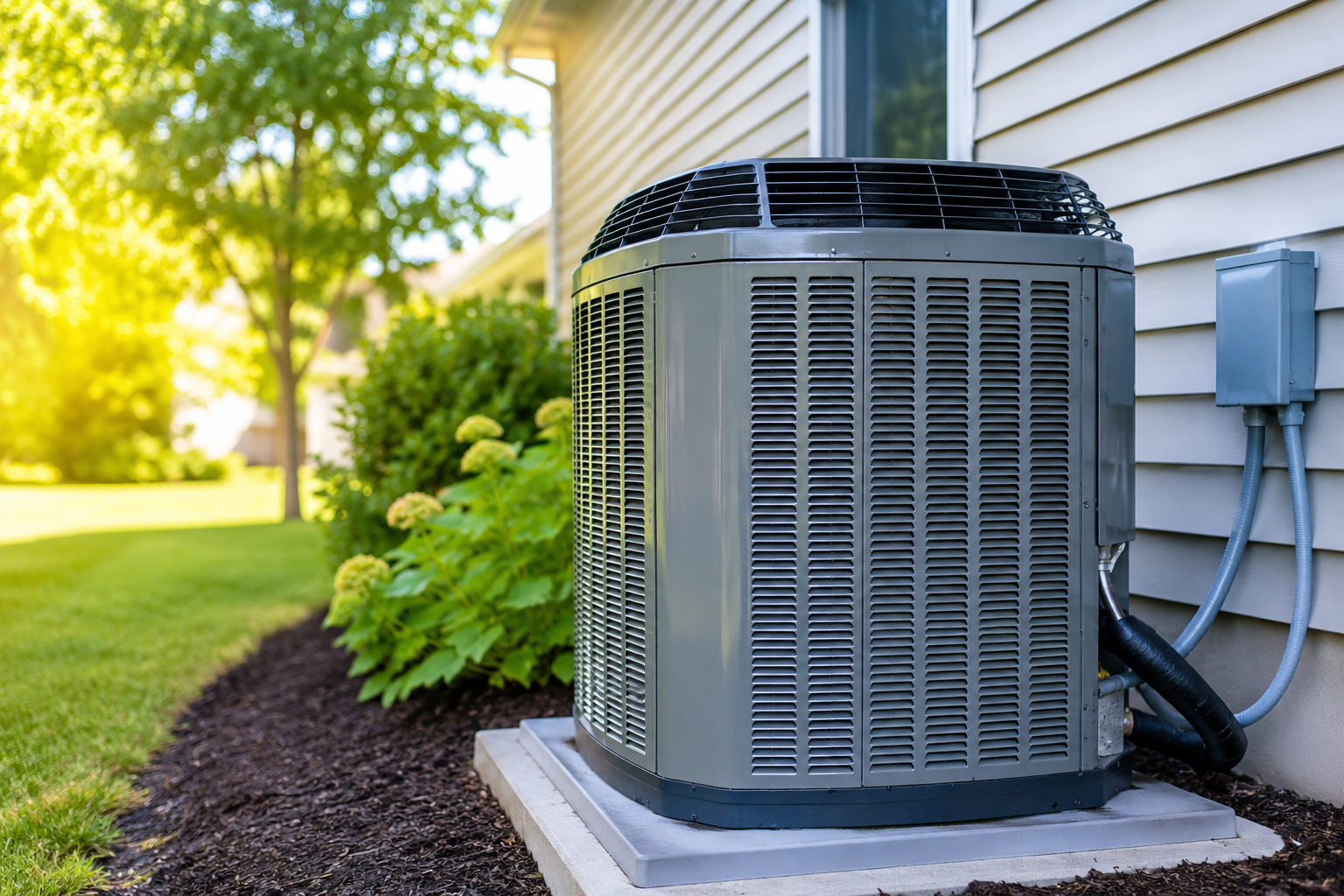
Summer can be tough on your air conditioner . When the days get hot and humid, your AC has to run longer to keep your home cool. That is normal to a point. But if your system is running all day and your home still does not feel comfortable, something may be wrong. Maybe one room feels cool, but another room feels warm. Maybe the air coming from the vents feels weak. Maybe your energy bill is higher than usual. Or maybe your AC sounds louder than it did last summer. These are all signs that your AC may be working harder than it should. For homeowners in Lincroft, Ocean Township, Middletown, and nearby Monmouth County towns, it is better to catch small AC problems before they turn into bigger repairs during the hottest part of the season.

Heat waves in New Jersey are no longer rare summer events—they’re becoming a predictable part of July and August. And while most homeowners focus on staying cool, few realize just how hard extreme heat works against their HVAC system. Prolonged high temperatures, elevated humidity, and increased electrical demand all put stress on cooling equipment, often leading to breakdowns at the worst possible time. If you’ve noticed your AC running longer, struggling to keep up, or costing more to operate during these peak summer stretches, you’re not imagining it. Heat waves directly affect the health, performance, and long-term lifespan of your system. Below, we break down what’s happening inside your equipment, how heat waves contribute to HVAC repair issues, and what steps you can take now to protect your system and your comfort. Heat Waves Create Prolonged Compressor Wear During a New Jersey heat wave, your air conditioner has to run for much longer cycles to maintain your home’s temperature. The compressor—the heart of your cooling system—takes the brunt of this effort. Because it’s responsible for circulating refrigerant through the system, long run times create overheating, excessive pressure, and increased mechanical strain. These conditions accelerate wear and can lead to failures such as locked compressors, damaged valves, or burned-out motors. Homeowners often first notice the effects through symptoms like: AC running nonstop without reaching the thermostat setting Warm air coming from vents despite the system being “on” Unusual noises that intensify during peak heat hours While compressors are built for tough weather, prolonged heat exposure is one of the fastest ways to reduce their lifespan—especially in systems that haven’t received recent AC maintenance. Investing in seasonal tune-ups can help ensure your compressor stays protected and properly lubricated during extreme weather. Clogged Condensers Are More Likely During Summer New Jersey summers bring more than heat—they bring pollen, cottonwood, dust, grass clippings, and yard debris. All of these particles can collect on the outdoor condenser coil, preventing the unit from releasing heat efficiently. When the coil becomes clogged, the system must work significantly harder to push heat outdoors, which raises both internal pressures and energy consumption. Clogged condensers are one of the most common reasons homeowners experience decreased cooling performance during a heat wave. Signs this may be happening include: Reduced airflow from vents Longer cooling cycles Unusually high AC noise levels Ice buildup on refrigerant lines A simple coil cleaning can dramatically improve HVAC efficiency, but it’s best handled by professionals to avoid damaging sensitive fins or electrical components. Electrical Strain Causes Breakdowns and Short Cycling Heat waves do more than stress individual HVAC systems—they put pressure on the entire electrical grid. When demand spikes across neighborhoods, your home may experience voltage fluctuations. Air conditioners are particularly sensitive to these fluctuations, and electrical strain can cause blown fuses, tripped breakers, or short-cycling (frequent on/off cycles that wear out motors). At Uncle Mike’s Home Service, we see a significant rise in electrical-related HVAC repair calls during mid-July and early August. Many of these failures aren’t due to worn-out equipment—they’re caused by the sudden, inconsistent power supply that accompanies a New Jersey heat wave. Scheduling an inspection can ensure all electrical components, from capacitors to contactors, are strong enough to handle peak-season stress. Humidity Makes Your AC Work Even Harder Summer humidity in Monmouth, Ocean, and Middlesex counties can make outdoor temperatures feel drastically higher. Your HVAC system is designed not only to cool the air but also to remove moisture. During heat waves, the moisture load increases dramatically, forcing your AC to operate almost constantly to maintain comfortable indoor conditions. Excess humidity contributes to problems such as: Sticky indoor air despite continuous cooling Mold or mildew odors Condensation on windows or vents Higher indoor temperatures than the thermostat setting If reducing humidity becomes a recurring challenge in your home, it may be time to explore upgrades such as whole-home dehumidification or improved filtration and airflow solutions. Higher Utility Bills Are a Direct Result of Heat Wave Stress One of the most noticeable effects of a heat wave on your HVAC system is the impact on your energy bill. When outdoor temperatures are in the 90s or higher for multiple days, even a perfectly functioning system must run more frequently to keep your home comfortable. Combine this with clogged condensers, electrical strain, humidity, and compressor wear, and utility costs can rise quickly. If your bill seems unusually high, it doesn’t always mean your equipment is failing. But it may indicate the system is losing efficiency and could benefit from a professional tune-up, airflow assessment, or coil cleaning. Routine AC maintenance is one of the most effective ways to reduce seasonal energy spikes and safeguard long-term system performance. How to Protect Your System During a New Jersey Heat Wave While you can’t control the weather, you can take proactive steps to protect your system and reduce the chances of unexpected repairs. Here are practical steps Jersey Shore homeowners can take: Replace your air filter regularly. Dirty filters increase strain and reduce airflow. Keep vegetation away from the condenser. Maintain at least 2 feet of clearance. Schedule mid-summer AC maintenance. A tune-up restores efficiency and catches developing issues. Avoid lowering your thermostat too much. Drastic temperature drops overwork the system. Use ceiling fans. These help circulate cool air and reduce total system load. Routine care makes a measurable difference, especially in households located along the humid coastal areas of the northern Jersey Shore. FAQ Why does my AC run nonstop during a heat wave? Extreme outdoor temperatures make it much harder for your system to reach and hold your thermostat setting. Running continuously is normal up to a point, but a tune-up can ensure it’s running efficiently rather than struggling. Is it bad if my AC can’t cool below 75°F during extreme heat? Not necessarily. Most systems are designed to cool indoor air about 20 degrees lower than the outdoor temperature. During a 95–100°F day, your system may be performing normally even if it feels warm. How can I tell if my condenser is clogged? If you notice reduced airflow, longer cycles, or unusually high energy bills, your condenser may be dirty or obstructed. A professional cleaning is the safest way to restore airflow. Why do heat waves cause electrical issues in HVAC systems? High demand on the electrical grid during heat waves leads to voltage drops. Your AC relies on stable voltage to run motors and compressors, and fluctuations can cause system failures or short cycling. What maintenance helps most during a heat wave? A mid-summer tune-up, filter replacement, and condenser cleaning provide the biggest improvements in cooling performance and energy efficiency. Heat waves are tough on every part of your HVAC system, but with the right care and preventive maintenance, you can avoid breakdowns and keep your home comfortable all summer long. If you’d like help improving your system’s reliability or efficiency, the team at Uncle Mike’s Home Service is always here to support you with honest, expert guidance.
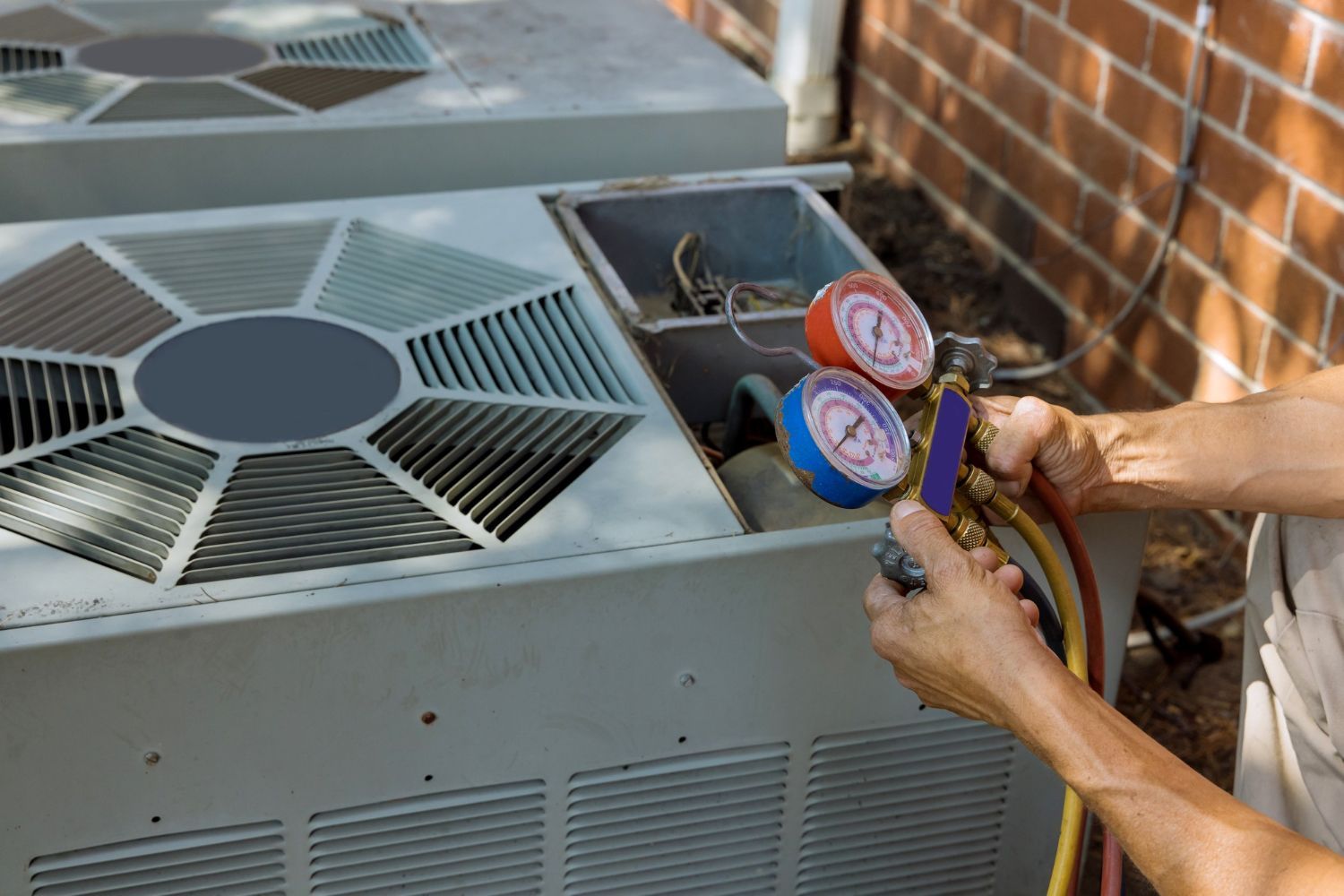
New Jersey’s weather doesn’t take breaks—and neither should your HVAC system. If you want reliable comfort through humid summers and chilly winters, regular maintenance is essential. Many homeowners ask us how often they should schedule service in our area. The short answer: twice a year. A spring AC tune-up and a fall heating tune-up keep your system efficient, dependable, and far less likely to break down when you need it most. At Uncle Mike’s Home Service, we’ve served Lincroft and the surrounding communities for more than 20 years. One thing we’ve seen again and again is that preventive care saves homeowners money, stress, and surprise repairs. Below, we break down the ideal maintenance schedule, why it matters, and how seasonal tune-ups protect your system year-round. Why HVAC Maintenance Matters in New Jersey New Jersey’s weather swings from hot, humid summers to cold winter nights—conditions that strain your heating and cooling equipment. Consistent tune-ups help prevent this wear and tear from turning into unexpected breakdowns, especially during peak seasons. Routine service also helps maintain efficiency. A clean, well-adjusted system uses less energy, improves airflow, and provides better heating and cooling throughout your home. That’s why many homeowners searching for dependable HVAC maintenance in Lincroft, NJ turn to a trusted local team for seasonal care. Spring: The Perfect Time for an AC Tune-Up The best time to schedule air conditioning maintenance is early spring—before temperatures spike and you’re depending on your AC daily. During a spring tune-up, your technician cleans the outdoor condenser unit, checks refrigerant levels, tests electrical components, inspects the blower motor, and ensures the system is ready to cool efficiently. Homeowners who skip spring service often discover issues like clogged coils, weak airflow, or low refrigerant only after the first heatwave arrives. Getting ahead of the season helps avoid those mid-July “no cooling” emergencies when service appointments book quickly. Learn more about cooling system care on our cooling services page . Fall: Schedule Heating Maintenance Before the First Chill Just as your AC needs attention before summer, your furnace, boiler, or heat pump needs a tune-up before the cold arrives. Early fall is ideal. A heating tune-up includes checking heat exchangers, cleaning burners, confirming proper ventilation, testing safety controls, and ensuring your system is operating safely and efficiently. Many homeowners discover issues like dirty burners or worn components only when they first turn on the heat for the season. A fall tune-up helps prevent those “no heat” calls on the first cold night of the year. See all your options for keeping your home warm on our heating services page . Don’t Forget Routine HVAC Filter Checks Your HVAC air filter is the simplest and most important part of routine maintenance. In New Jersey homes—especially with pets, allergies, or seasonal pollen—filters should typically be checked monthly and replaced every one to three months. A clogged filter reduces airflow, increases energy use, and can cause your system to work harder than necessary, shortening its lifespan. During maintenance visits, we always check your filter, but regular homeowner checks in between tune-ups make a big difference in comfort and efficiency. How Regular Maintenance Helps Prevent Peak-Season Breakdowns There are few things more frustrating than losing AC on a 95-degree day or waking up to no heat in January. Unfortunately, these are the times when HVAC systems are pushed to their limits—and when neglected issues tend to reveal themselves. Seasonal maintenance helps prevent: System overheating due to dirty coils or poor airflow Compressor failure from low refrigerant or electrical issues Furnace shutdowns caused by dirty burners or failing sensors Unexpected repairs during the busiest service times of the year By catching small problems early, you avoid big surprises later—and keep your family comfortable no matter what New Jersey weather brings. How Often Should New Jersey Homeowners Schedule HVAC Maintenance? For most homes in Monmouth, Middlesex, and Ocean Counties, the ideal schedule is: One cooling tune-up in spring One heating tune-up in fall This twice-a-year approach keeps your system efficient, reduces the risk of breakdowns, and helps maintain manufacturer warranties for newer equipment. If your home uses a heat pump for both heating and cooling, even more consistent attention may be helpful, since the system runs year-round. We can walk you through the best schedule based on your specific setup. Why Local Homeowners Choose Uncle Mike’s Home Service We’ve been part of the Lincroft community for more than two decades, and we take a straightforward, brand-agnostic approach to HVAC care. Our goal is to keep your system running smoothly—not upsell equipment you don’t need. Homeowners across Middletown, Red Bank, and all of Monmouth County rely on us for honest recommendations, practical solutions, and dependable service year after year. If you want to learn more about our full HVAC care options, visit our HVAC maintenance page . FAQ How often should I schedule HVAC maintenance in New Jersey? Twice per year: a spring cooling tune-up and a fall heating tune-up. This timing ensures your system is prepared before peak seasons and helps prevent breakdowns. Is maintenance really necessary if my system seems to be running fine? Yes. Most issues develop slowly and aren’t noticeable until they become major problems. Regular tune-ups keep your system safe, efficient, and reliable. When should I replace my HVAC filter? Check your filter monthly and replace it every one to three months, depending on system use, pets, and indoor air quality needs. Does HVAC maintenance help lower energy bills? Absolutely. Clean coils, proper airflow, and well-adjusted components help your system use less energy while delivering better comfort. How do I schedule maintenance with Uncle Mike’s? Just reach out! We make it easy to schedule seasonal tune-ups and ongoing care for your heating and cooling systems. Ready to schedule your spring or fall tune-up? Contact Uncle Mike’s Home Service today and request service from a trusted local HVAC team in Lincroft, NJ.

When the air conditioner is running but the house still feels sticky, muggy, or heavy, it can leave any homeowner wondering what’s going on. While an AC system should remove moisture as it cools, several common issues can prevent it from doing the job properly. If you’ve been looking for home cooling solutions that actually make your home feel comfortable—not just cooler—this guide breaks down the most likely causes and what you can do next. At Uncle Mike’s Home Service, we help homeowners throughout Lincroft, Middletown, Red Bank, and the surrounding Monmouth County communities get to the bottom of comfort issues like this every day. Here’s what might be behind that lingering humidity. Oversized AC Systems An oversized air conditioner may sound like a good thing—more power, faster cooling, right? Unfortunately, bigger isn’t always better when it comes to whole‑home comfort. Oversized systems short-cycle, meaning they turn on and off quickly without running long enough to pull moisture out of the air. You may feel a quick burst of cold air, but the humidity remains. This can lead to a pattern where the temperature drops but the air still feels damp, sticky, or uncomfortable. If your system frequently turns on and off or cools the house unusually fast, sizing could be the culprit. Poor Airflow Throughout the Home Good airflow is essential for proper cooling and humidity control. If air can’t move freely across the system’s evaporator coils, the AC can’t effectively remove moisture. Common airflow problems include: Closed or blocked supply and return vents Crushed, leaking, or poorly installed ductwork Improperly balanced airflow between rooms Poor airflow results in parts of the home feeling stuck in a humid bubble, even while other rooms cool down normally. A professional inspection can identify where airflow is getting restricted and recommend fixes that restore comfort. Dirty or Clogged Air Filters A dirty air filter is one of the simplest but most common reasons an AC system can’t keep up with humidity. When filters clog with dust, pet hair, and debris, the system has to work harder to pull air across the coils. With less air moving through, humidity removal drops significantly. Changing your filter regularly—usually every 1–3 months depending on your home—helps your system breathe easier and maintain ideal moisture levels. Lack of Routine Maintenance AC systems need regular care to keep moisture under control. During routine maintenance, a technician checks for issues such as low refrigerant, dirty coils, clogged drain lines, or failing components—all of which can affect dehumidification. A system that hasn’t been tuned up in a while may still run, but it won’t perform efficiently. Moisture problems are often the first sign that something inside the unit needs attention. You can learn more about repair options or schedule service by visiting our AC repair page . Aging or Inefficient Equipment As air conditioners age—typically past the 12–15 year mark—they naturally lose efficiency, especially when it comes to moisture removal. Older systems may still blow cool air, but humidity hangs around because: The evaporator coils aren’t absorbing moisture as effectively The compressor is weakening Refrigerant levels fluctuate more often Mechanical wear reduces cycle effectiveness If your AC is getting up there in years and humidity has become a steady problem, it may be time to explore updated cooling solutions that are designed to manage both temperature and moisture far more effectively. Indoor Air Quality Factors Sometimes the issue isn’t only the AC—it’s the home environment. Everyday activities like cooking, showering, and doing laundry create moisture. Modern homes also tend to be tightly sealed for energy efficiency, which means humidity doesn’t escape as easily. That’s where indoor air quality equipment can make a big difference. Whole-home dehumidifiers, advanced filtration, and ventilation systems work alongside your AC to keep moisture in check. If high humidity persists even with a healthy AC system, exploring indoor air quality options may be the most effective next step. You can read more about these solutions on our indoor air quality page . What You Can Do to Reduce Humidity at Home If your home still feels clammy even with the AC running, here are a few practical steps you can take before calling in a pro: Replace or clean the AC filter Open and clear all vents in the home Ensure doors and windows are fully sealed when cooling Run bathroom and kitchen exhaust fans during moisture‑heavy activities Check for signs of duct leaks or airflow blockages If these steps don’t make a noticeable difference, a trained HVAC technician can diagnose whether the issue is airflow‑related, mechanical, sizing‑related, or tied to aging equipment. When to Call a Professional Persistent humidity is more than just a comfort issue—it can lead to indoor air quality problems, musty odors, mold growth, and added wear on your cooling system. A professional inspection can quickly identify the root of the issue and help you restore a comfortable balance of cool, dry air in your home. FAQ Why is my AC running but not removing humidity? The most common causes are poor airflow, dirty filters, oversized systems, or lack of maintenance. Any of these can prevent moisture from being properly removed during cooling cycles. Can an AC be too big for my house? Yes. Oversized systems cool the home too quickly and shut off before completing a full dehumidification cycle, leaving the air cool but damp. When should I replace my AC if humidity keeps being an issue? If your system is 12–15 years old or older, struggling with humidity may be one of the first signs that it’s losing efficiency and may need replacement. Will a whole‑home dehumidifier help? Absolutely. A dehumidifier works with your HVAC system to manage moisture levels, making your home more comfortable and reducing strain on your AC. Should I get HVAC maintenance more than once a year? For most New Jersey homes, once a year is enough, but systems that are older or run heavily during summer may benefit from an additional checkup. If your home still feels humid even though the AC is running, Uncle Mike’s Home Service is here to help. We offer honest recommendations, straightforward communication, and reliable home cooling solutions for homeowners across Monmouth, Ocean, and Middlesex counties. For fast, friendly cooling help, contact Uncle Mike’s Home Service today—we’re here when you need us.